
Understanding Timing for Engine Diagnostics in a Volvo Car Repair Shop
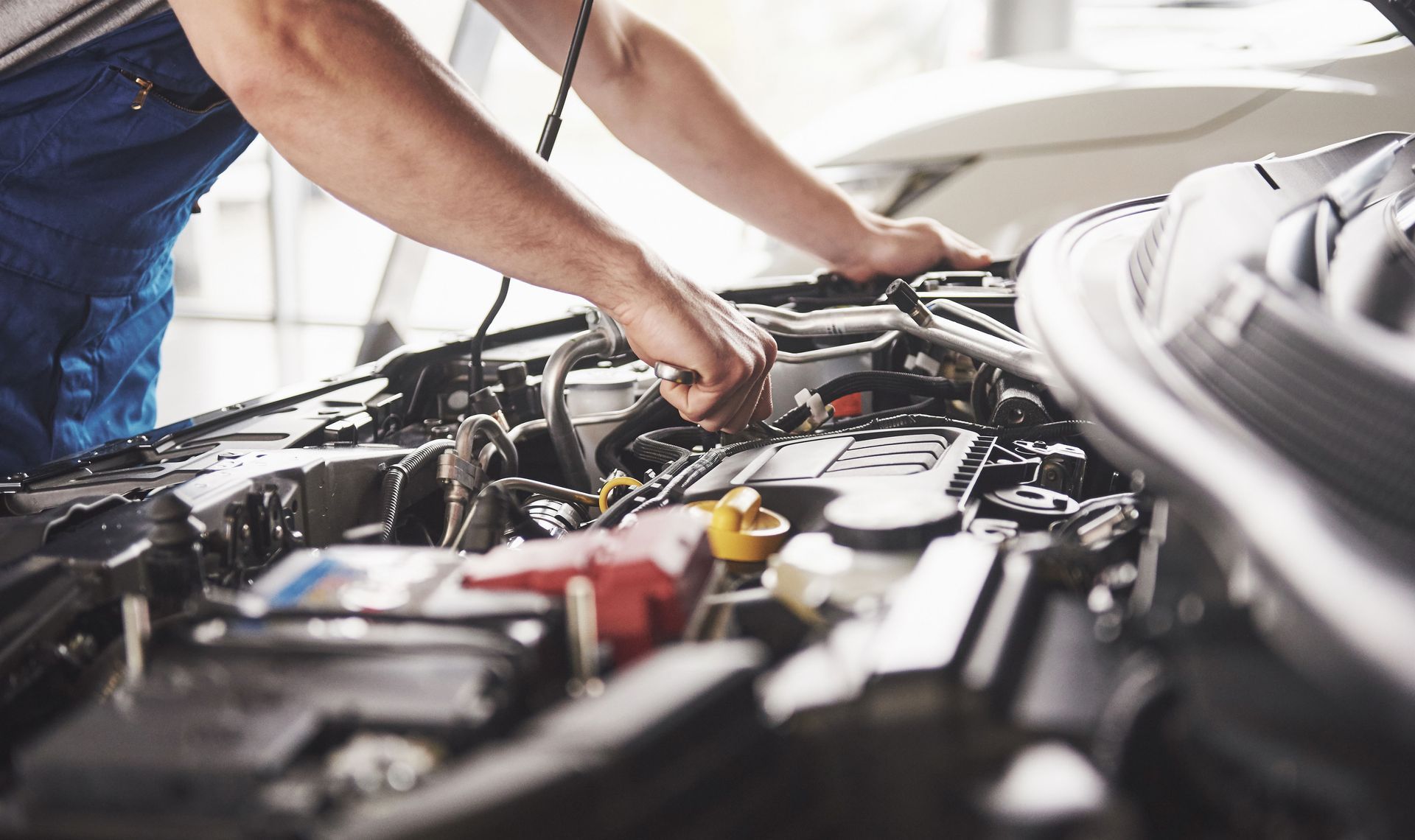
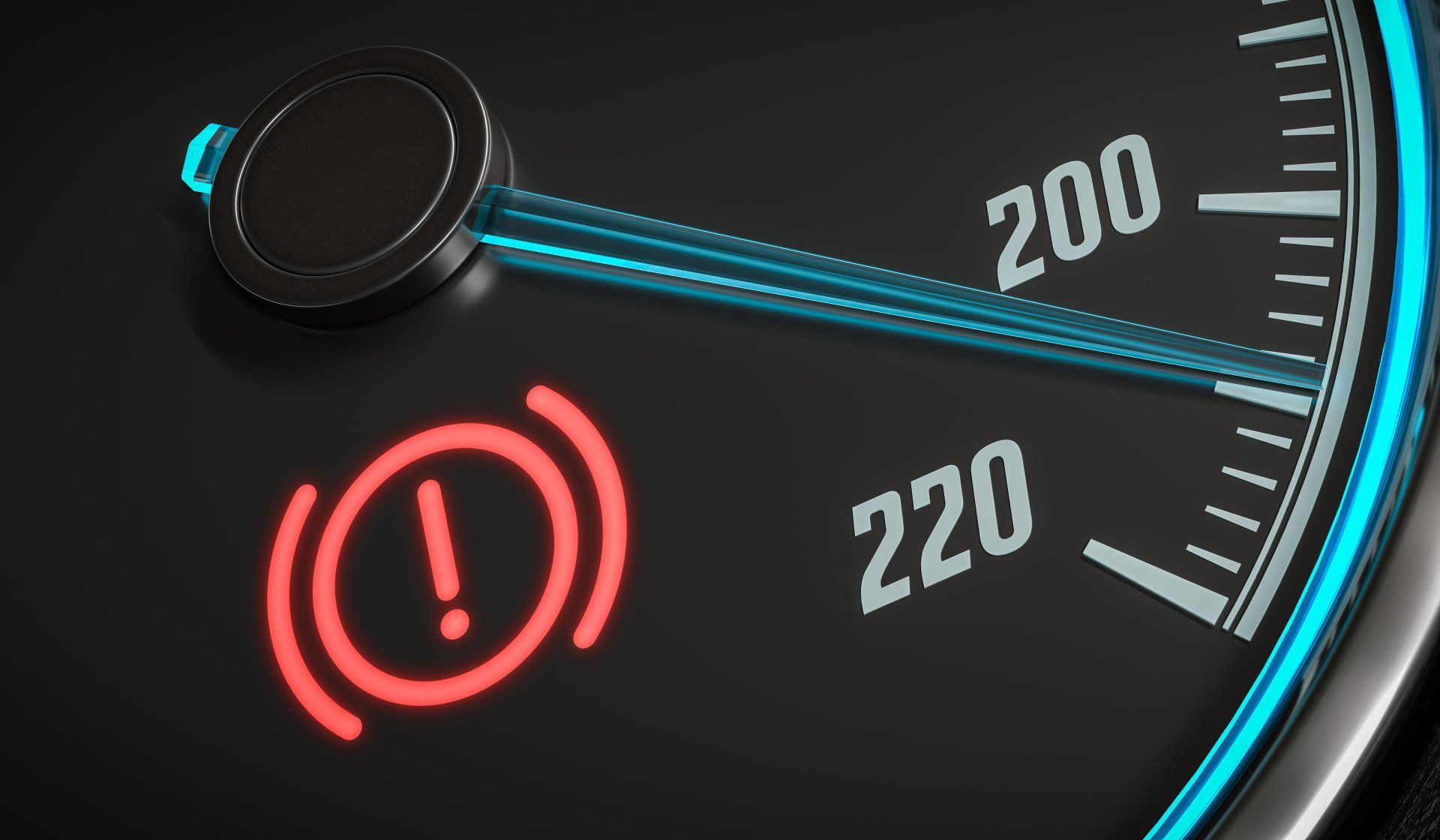
When a warning light appears on your dashboard or your vehicle begins behaving unexpectedly, engine diagnostics are the first step toward identifying the issue. In a Volvo car repair shop, diagnostic time can vary depending on the model, technology involved, and the complexity of the problem. Modern Volvo vehicles are equipped with advanced computer systems and safety features that require specialized tools and expertise to assess accurately. Because of this sophistication, diagnostics are no longer simple mechanical inspections—they involve detailed electronic evaluations and software analysis. Understanding what influences diagnostic timelines can help vehicle owners set realistic expectations and appreciate the precision required to properly service a Volvo.
Understand the Factors That Influence Diagnostic Time
The time required for engine diagnostics in a Volvo car repair shop is influenced by several vital factors. One primary factor is the training and expertise of the technicians; skilled technicians will often complete diagnostics more swiftly and accurately. Another factor is the availability and capability of diagnostic equipment, which can significantly impact the thoroughness and speed of diagnostics. Lastly, the specific nature and severity of the engine issue will dictate how in-depth the diagnostic process needs to be.
Volvo cars, like many modern vehicles, are equipped with advanced systems that require unique diagnostic approaches. For example, older vehicles may only need basic checks, while newer models might require complex computer-based diagnostics. Moreover, a vague dashboard warning might take longer to diagnose compared to a specific error code. Time management in this context involves balancing the depth of diagnostics with the most efficient use of resources and tools available.
The reliance on sophisticated onboard diagnostics systems necessitates not only updated software in the repair shop's diagnostic tools but also a solid understanding of recent vehicle technologies by the technicians. According to Mordor Intelligence, the mechanical segment, which includes diagnostics, accounts for about 57% of the U.S. auto service industry's market share. Ensuring accurate and efficient diagnostics is crucial for maintaining this significant share and delivering satisfying customer experiences.
Estimate the Average Time Required for Engine Diagnostics
On average, engine diagnostics in a Volvo car repair shop might take anywhere from 30 minutes to a few hours. The duration depends on the complexity of the issue and the thoroughness required to diagnose the problem accurately. For example, a routine check might be completed quickly, whereas a deep dive into an intermittent issue might require more time and effort.
The availability of parts and other resources can also impact the overall diagnostic process. Some diagnostics may reveal issues that a technician can address immediately, while others might require waiting for specific parts to arrive, thereby lengthening the total repair time. The efficiency of the workshop's workflow can help minimize delays and enhance productivity, benefiting both the shop and the customers.
Scheduling appointments and planning are advisable for customers to avoid unexpected delays. Repair shops should communicate clearly about expected timelines and potential variables that might affect the duration. Customers will appreciate transparency and realistic time estimates that account for potential complications.
Utilize Specialized Volvo Diagnostic Tools
Volvo car repair shops often utilize specialized diagnostic tools designed specifically for Volvo vehicles. These tools are critical for accessing the vast array of onboard computers and reading precise fault codes, which makes diagnosing issues more efficient. Using these exclusive tools allows for an accurate assessment of the vehicle's health, minimizing guesswork.
The Vida Dice, a renowned diagnostic tool for Volvo cars, exemplifies such specialized equipment. It allows technicians to receive detailed insights into the vehicle's electronic systems, ensuring that no corner of the vehicle's operational spectrum is left unchecked. The accurate information these tools provide reduces the time spent diagnosing elementary issues, leaving more room to address complex problems.
Ensuring technicians are well-versed with these Volvo-specific tools is also pivotal. Regular training and updates on the latest diagnostic technologies mean that technicians can keep pace with advancements in the Volvo lineup, providing timely and effective solutions. Such practices not only boost efficiency in diagnostics but also build trust with customers who rely on the expert care provided by a specialized Volvo car repair shop.
Compare Volvo Diagnostics to Other Vehicle Brands
When comparing Volvo diagnostics to other car brands, slight differences in the approach and time taken are noticeable. Brands with a heavier emphasis on electronic components, such as Volvo, might require longer diagnostic durations compared to brands with more mechanical systems. However, this electronics-heavy approach allows for more precise pinpointing of issues.
Some manufacturers provide unique diagnostic systems that may only work well with specific software, requiring more specialized tools and training. For example, German brands might have additional layers of complexity in their software systems, impacting the time required for diagnostics. Volvo's focus on safety and reliability means thorough diagnostics are crucial, aligning with their brand ethos.
The timeframe involved in diagnostics can also be understood in relation to the popularity and availability of aftermarket tools for various brands. Volvo’s market for specialized diagnostic tools is robust, ensuring that repair shops dedicated to Volvo vehicles can reliably procure necessary equipment. These repair shops need to maintain an inventory of tools tailored to the brand to maintain service quality and effectiveness.
Manage Customer Expectations During the Diagnostic Process
Customers naturally expect quick and accurate diagnostics when they visit a Volvo car repair shop. However, several realities must be considered to temper these expectations. Accurate diagnostics inherently require time to ensure all potential issues are thoroughly investigated, particularly in sophisticated vehicles like Volvos. Rushing this process can lead to incomplete assessments and recurring mechanical problems that could have been prevented with a more thorough evaluation.
Communicating openly about potential wait times and what the diagnostic process entails can help manage expectations. Customers appreciate knowing both what is being checked and how long it might reasonably take, leading to greater satisfaction. Technicians can also inform car owners about potential follow-ups if further exploration is warranted post-diagnosis. Clear explanations about findings and recommended next steps further strengthen transparency and trust between the repair shop and the customer.
Ultimately, the goal is to strike a balance where time is efficiently used without compromising the quality of diagnostics. Repair shops that succeed in aligning their processes with customer expectations build a loyal client base who trust them with their vehicles. Moreover, integrating customer feedback into service improvement plans can result in even better alignment with consumer expectations and industry standards. This commitment to continuous improvement helps ensure that both efficiency and accuracy remain top priorities in every diagnostic service performed.
Engine diagnostics in a Volvo car repair shop can range from a quick assessment to a more involved process, depending on the vehicle’s technology and the nature of the issue. Factors such as technician training, access to Volvo-specific diagnostic tools, and the complexity of onboard systems all influence the overall timeframe. While some problems can be identified within an hour, others may require more comprehensive testing to ensure complete accuracy. Ultimately, investing the necessary time in proper diagnostics helps prevent misdiagnosis, reduces repeat visits, and protects the long-term performance of your vehicle. By prioritizing precision and expertise, Volvo repair specialists deliver dependable results that align with the brand’s reputation for safety and reliability. Reach out to Kenny Jones Automotive Inc to learn more about our services today.







Share On: