
8 Ways Maintenance Reduces the Need for Major Volvo Car Repair
Volvo vehicles are known for refined engineering, innovative safety systems, and long-term reliability. Still, even the most dependable vehicle benefits from consistent care. When maintenance is delayed, small concerns can grow into expensive breakdowns that require extensive Volvo car repair. Understanding how proactive service limits those risks empowers owners to protect both their investment and their peace of mind.
Preventive maintenance is not simply about checking boxes during routine visits. It is a strategic approach to preserving performance, safety, and long-term value. By focusing on early detection and consistent service, drivers can significantly reduce the likelihood of major mechanical failures and avoid unexpected costs down the road.
1. Follow Factory Service Schedules
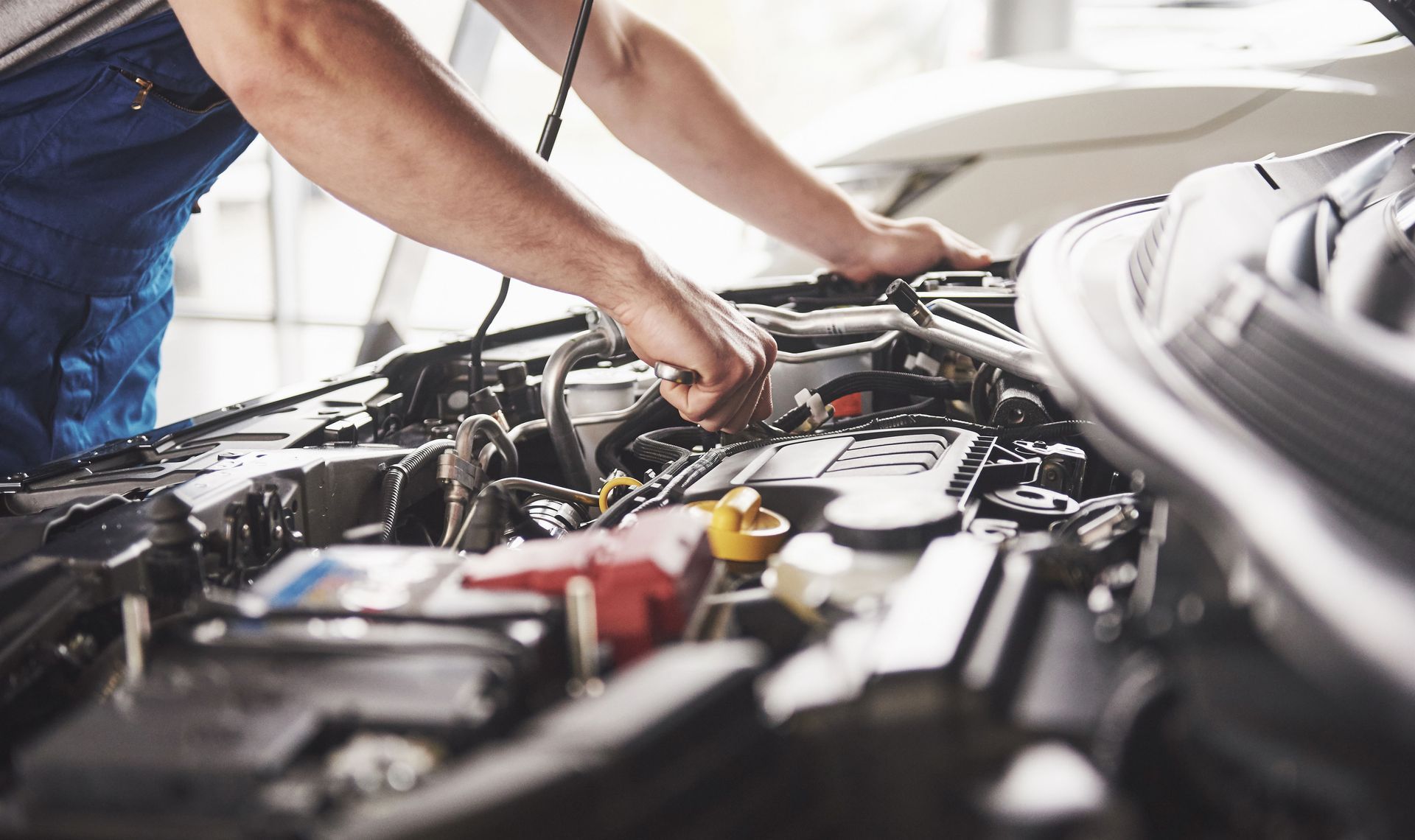
Adhering to the manufacturer’s recommended service schedule is one of the most effective ways to reduce major Volvo car repair needs. Routine oil changes, fluid checks, filter replacements, and inspections are carefully timed to prevent wear from escalating. These services protect critical systems such as the engine, transmission, and cooling components before minor deterioration turns into mechanical failure.
Factory schedules are designed specifically for each model, accounting for performance demands and engineering tolerances. Skipping intervals may not cause immediate problems, but cumulative stress on parts can shorten their lifespan. Staying consistent with scheduled care minimizes emergency visits and keeps larger interventions from becoming necessary.
2. Inspect Brakes and Suspension Regularly
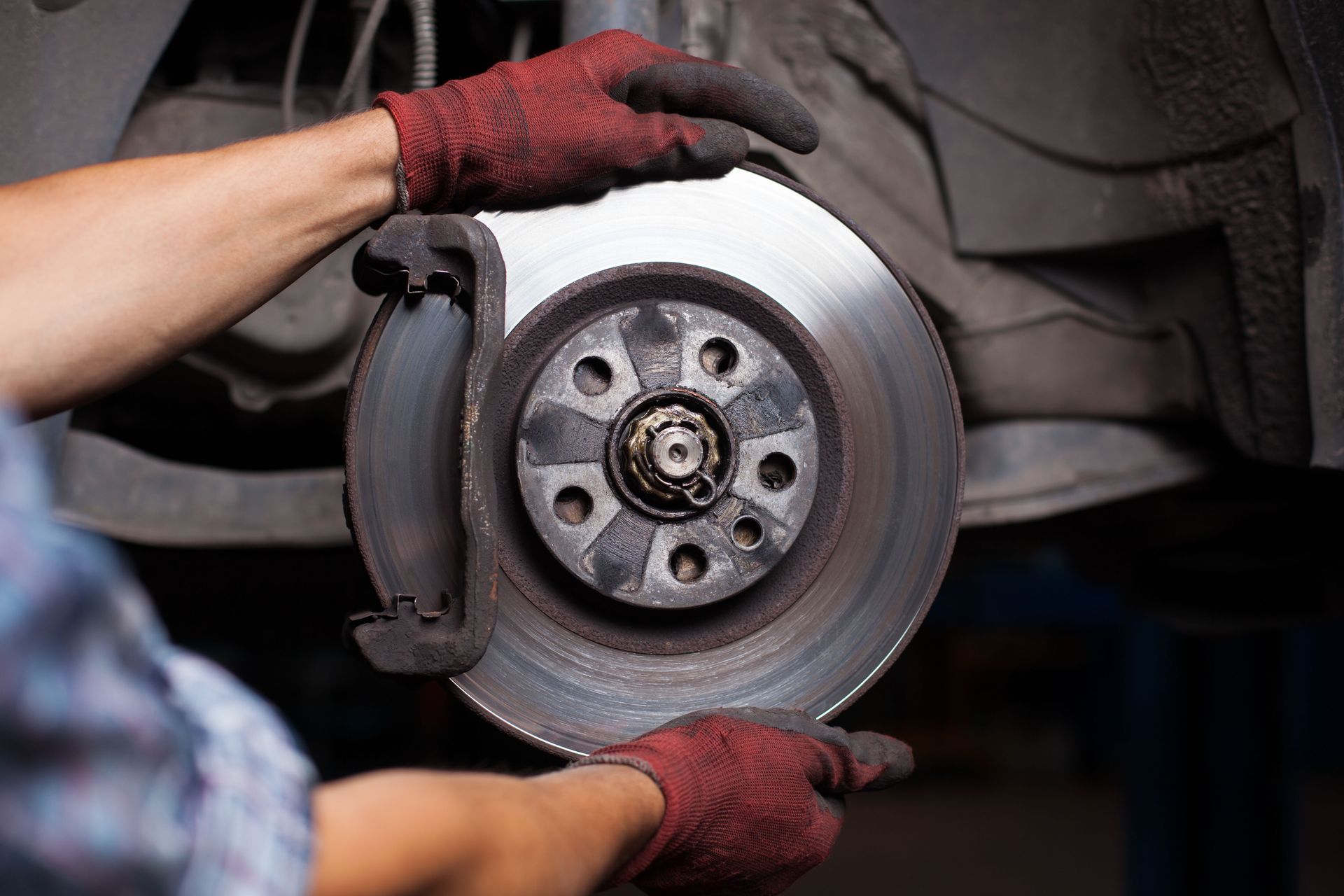
Your braking and suspension systems directly influence safety, comfort, and control. Brake pads, rotors, shocks, and struts naturally wear down over time. When inspections are routine, worn components can be replaced before they damage related parts. Ignoring early warning signs such as vibrations or squealing can eventually require far more extensive Volvo car repair.
Suspension neglect can also affect tire wear, steering alignment, and overall drivability. Addressing minor imbalances early reduces strain on interconnected systems. Proactive inspections preserve performance standards while limiting the likelihood of large-scale repairs that disrupt both schedules and budgets.
3. Monitor Fluid Levels and Quality
Fluids serve as the lifeblood of your Volvo, supporting nearly every major system under the hood. Engine oil reduces friction between internal components, helping prevent premature wear and overheating. Coolant maintains stable operating temperatures by transferring heat away from the engine, while transmission fluid ensures smooth, precise gear engagement. Brake fluid delivers the hydraulic pressure necessary for dependable stopping performance. When these fluids become contaminated, break down over time, or fall below recommended levels, internal parts experience increased stress that can quickly escalate into serious needs.
Regular fluid inspections and timely replacements create a protective barrier against overheating, corrosion, sludge buildup, and metal-on-metal friction. Clean fluids maintain proper lubrication and cooling efficiency, allowing systems to operate as designed without unnecessary strain. Even something as simple as topping off or flushing a fluid at the right interval can prevent costly component failures later. By staying consistent with fluid maintenance, drivers significantly reduce the likelihood of complex mechanical breakdowns that often require extensive repair and extended downtime.
4. Address Warning Lights Promptly
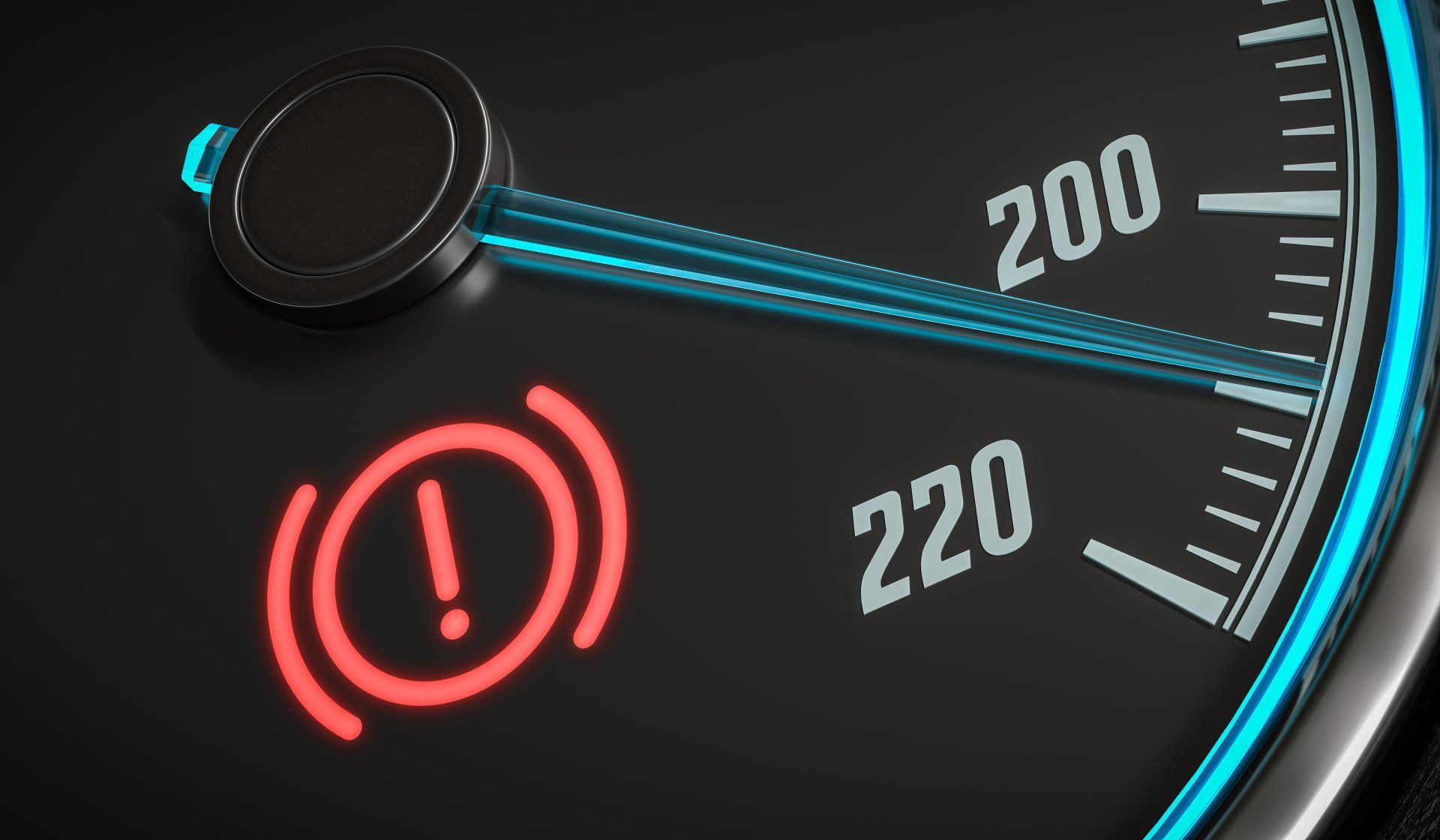
Modern Volvo models rely on advanced onboard diagnostics to detect irregularities across engine, transmission, braking, emissions, and safety systems. When a warning light appears on the dashboard, it is more than a simple alert—it is the vehicle’s way of signaling that data readings have fallen outside normal parameters. Prompt diagnostic testing allows technicians to pinpoint the exact source of the issue, whether it involves a faulty sensor, a software communication error, or a developing mechanical concern. Addressing these alerts early often prevents manageable issues from escalating into complex Volvo car repair projects that require extensive labor and part replacement.
Many drivers hesitate to schedule service when a light appears, often due to financial concerns or the assumption that the issue is minor. According to Gitnux, more than 40% of vehicle owners delay necessary repairs because they are worried about the cost. Unfortunately, postponing diagnostics tends to allow underlying problems to worsen, increasing the likelihood of more significant Volvo car repair later. Acting quickly helps contain damage, reduces strain on related components, and typically keeps repair expenses far lower than they would be if the warning signs were ignored.
5. Protect Electrical and Software Systems
Volvo vehicles incorporate sophisticated driver assistance features, infotainment systems, and electronic controls that work together to deliver safety, comfort, and performance. These systems rely on stable wiring, responsive sensors, properly calibrated modules, and up-to-date software to function seamlessly. Even a minor voltage fluctuation or outdated software version can disrupt communication between components, triggering warning lights or reduced functionality. Routine inspections, battery testing, and scheduled software updates help preserve system integrity and significantly reduce the likelihood of unexpected Volvo car repair caused by electrical faults or module failures.
Moisture intrusion, battery strain, corroded connectors, or neglected minor glitches can gradually compromise larger electronic networks throughout the vehicle. What begins as an intermittent sensor issue can eventually interfere with advanced safety features, navigation systems, or engine performance controls. Addressing small irregularities early prevents cascading failures across multiple interconnected systems, limiting downtime and repair complexity. Consistent electronic maintenance not only safeguards convenience features such as touchscreens and climate controls but also protects critical safety technologies that drivers rely on every time they get behind the wheel.
6. Replace Worn Components Before Failure
Belts, hoses, spark plugs, filters, and batteries naturally degrade with time and usage. These components are relatively inexpensive compared to the damage they can cause if they fail unexpectedly. Preventive replacement ensures that dependent systems continue functioning properly without triggering major repair needs.
For instance, a deteriorating belt can affect engine timing, while a weakened battery can strain the alternator and starter. Replacing wear items during routine visits keeps the vehicle operating smoothly and avoids secondary damage that often multiplies repair costs.
7. Choose Quality Parts and Skilled Technicians
When maintenance or minor repairs are required, the quality of parts and workmanship matters. Using dependable components that meet manufacturer standards supports system compatibility and durability. Skilled technicians understand Volvo engineering intricacies and can identify early indicators of trouble before they require significant Volvo car repair.
Experienced professionals also provide accurate diagnostics, preventing unnecessary part replacements and repeat visits. Selecting knowledgeable service providers ensures each repair is completed the first time correctly. This approach strengthens long-term reliability and reduces cumulative repair expenses over the life of the vehicle.
8. Maintain Detailed Service Records
Keeping organized maintenance records helps track patterns, anticipate upcoming service needs, and verify completed work. Detailed documentation allows technicians to identify recurring concerns and address them proactively. This level of awareness reduces uncertainty and helps prevent overlooked issues from escalating into major situations.
Comprehensive records also support resale value and demonstrate responsible ownership. When service history is clear and consistent, future maintenance planning becomes more precise. Staying informed about past and upcoming services creates a structured, preventive strategy that limits unexpected breakdowns.
Preventive maintenance remains the most reliable strategy for avoiding extensive Volvo car repair. By following service schedules, responding to early warning signs, protecting critical systems, and partnering with knowledgeable professionals, drivers can dramatically reduce the likelihood of costly mechanical failures. Rather than reacting to breakdowns, a proactive mindset keeps repairs manageable and predictable.
Consistent care preserves performance, enhances safety, and protects long-term value. If you want to stay ahead of unexpected issues and minimize major repair needs, we invite you to schedule your next service with Premier Auto Solutions. We will help you keep your Volvo performing at its best.







Share On: